The glutes are the largest, most powerful muscle group in the human body. They’re also the most commonly undertrained — and that’s true regardless of gender.
→ See the glute-specific training approach built for women and men
Most training programs — for men and women — default to squats, deadlifts and lunges as the foundation of lower body work. The problem isn’t the effort. It’s that none of those exercises actually target the glutes as the primary muscle. And the consequences of chronically undertrained glutes show up everywhere — in performance, in joint health and in injuries that seem unrelated until you trace them back to the source.
What Weak Glutes Are Actually Costing You
Your glutes are the engine of almost every athletic movement you make. Sprinting, jumping, changing direction, lifting — all of it starts with the glutes. When they’re weak other muscles compensate and the consequences run through your entire body.
Lower back pain is one of the most common. When the glutes can’t do their job the lower back picks up the slack on every hip extension movement. Over time that compensation creates chronic tension and pain that no amount of stretching or foam rolling permanently fixes — because the cause is never addressed.
Knee pain is another. Weak gluteus medius — the muscle on the outer hip — fails to stabilize the pelvis during single-leg movements like running and squatting. The knee collapses inward as a result. It’s one of the leading causes of knee injury in both male and female athletes and it traces directly back to undertrained glutes.
Why Standard Leg Day Doesn’t Fix This
Squats, deadlifts and leg press are effective compound movements — but they’re primarily quad and hamstring dominant. The glutes assist but they are never the primary mover.
This means even people who train legs consistently can have significantly underdeveloped and underactivated glutes. The session feels productive. The effort is real. But the glutes are largely along for the ride while surrounding muscles do the work.
→ See what glute-specific training actually looks like structured for real results
What Changes When You Train Glutes Directly
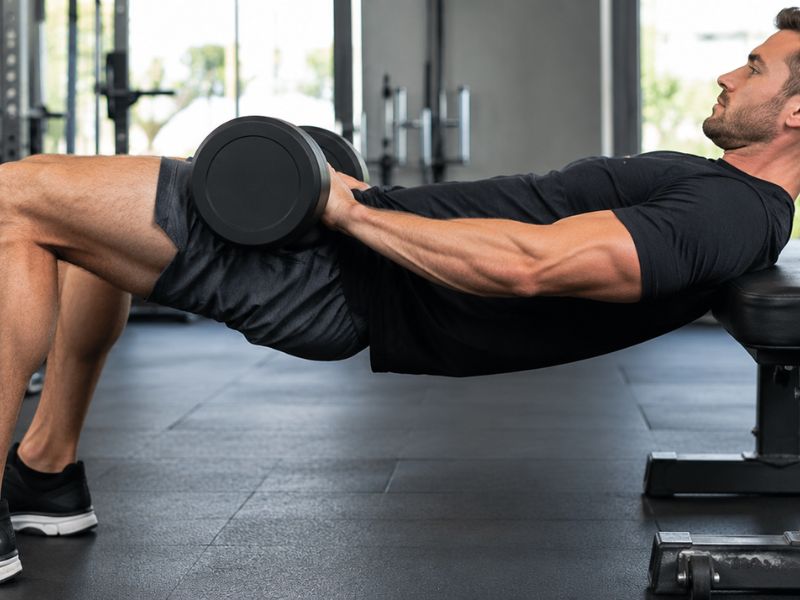
Two dedicated glute sessions per week using movements chosen because they activate the glutes as the primary muscle produces a completely different outcome. Hip thrusts, glute bridges, lateral band walks and kickbacks all score significantly higher on glute activation research than squats and deadlifts.
The difference shows up in athletic performance first. More power. Better acceleration. Less lower back fatigue. Then the structural benefits follow — better pelvic stability, less knee stress, more efficient movement across every sport and activity.
Strong glutes aren’t a women’s goal or a vanity metric. They’re the foundation of a body that performs and holds up over time — for everyone.
Sources: Journal of Strength and Conditioning Research — Gluteal Weakness and Athletic Performance · National Strength and Conditioning Association — Glute Training for Athletic Development · Healthline — Glute Exercises
This article is for informational purposes only and is not medical advice. Always consult a qualified health professional before starting a new exercise program.